

THE JOURNAL


Made in USA


THE JOURNAL

THE JOURNAL-collaborations-American Riders


THE JOURNAL-STORIES-Men-Twistin' In Your Bucks
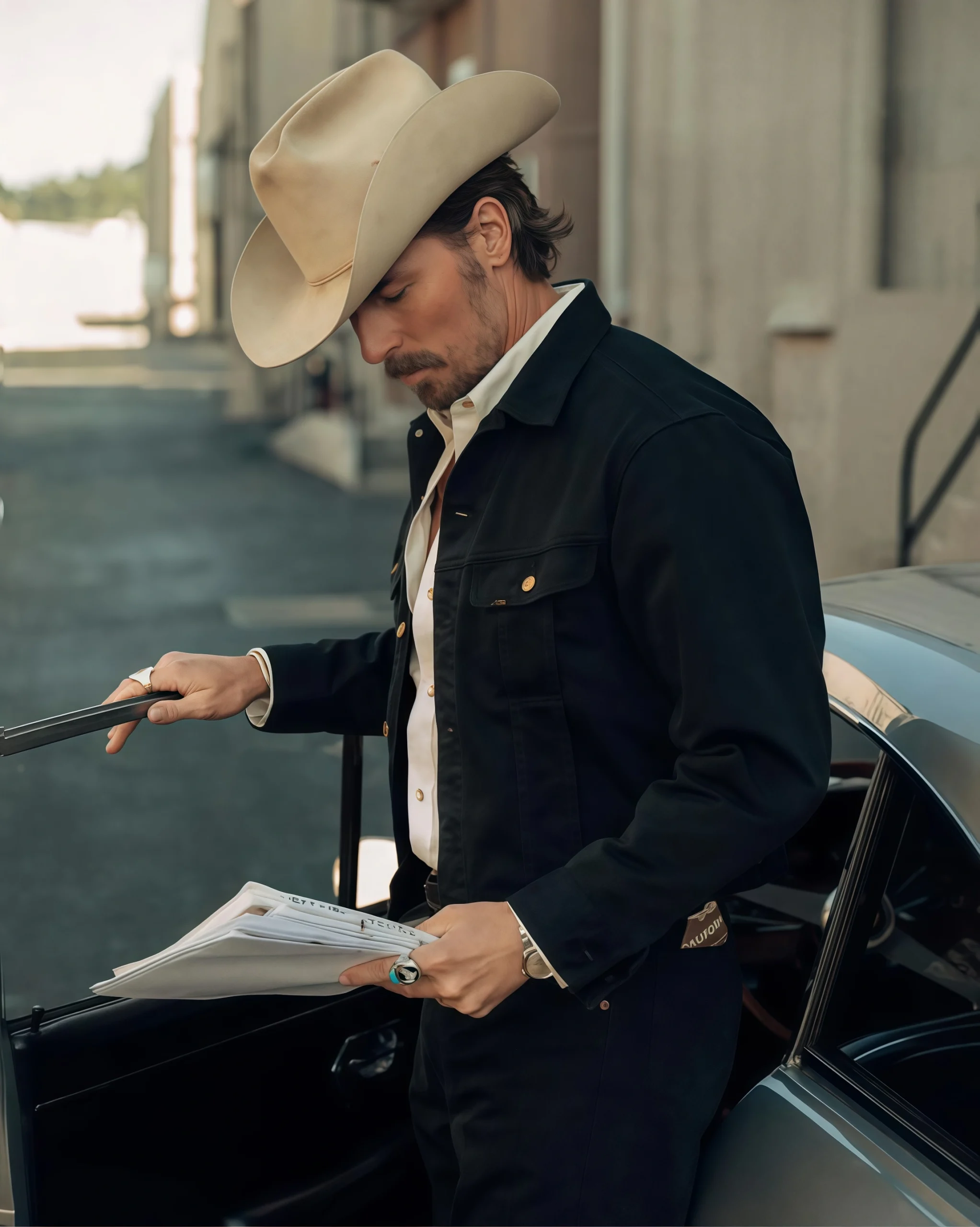
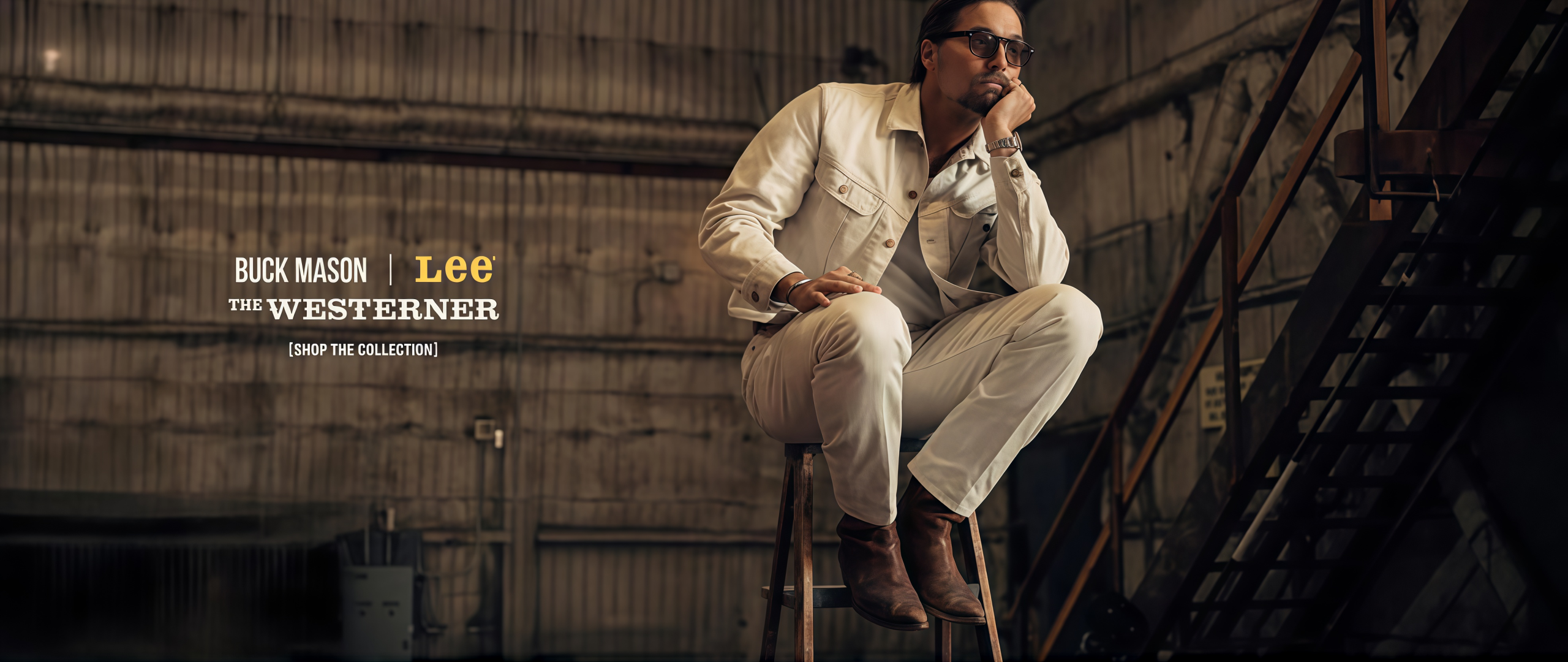
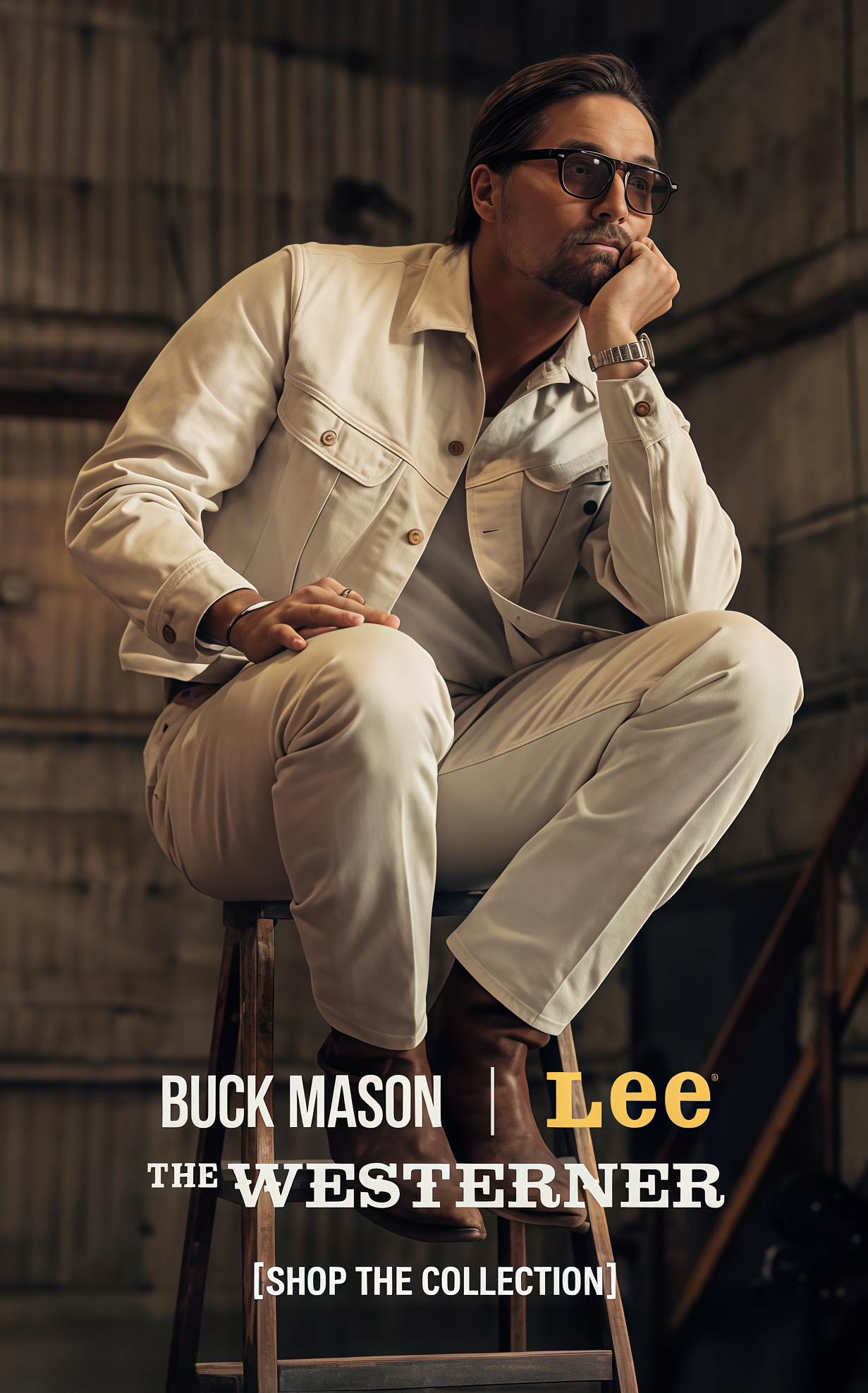
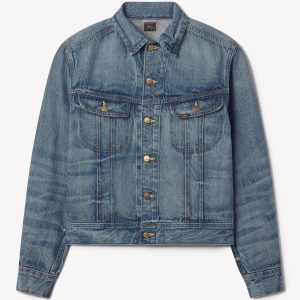
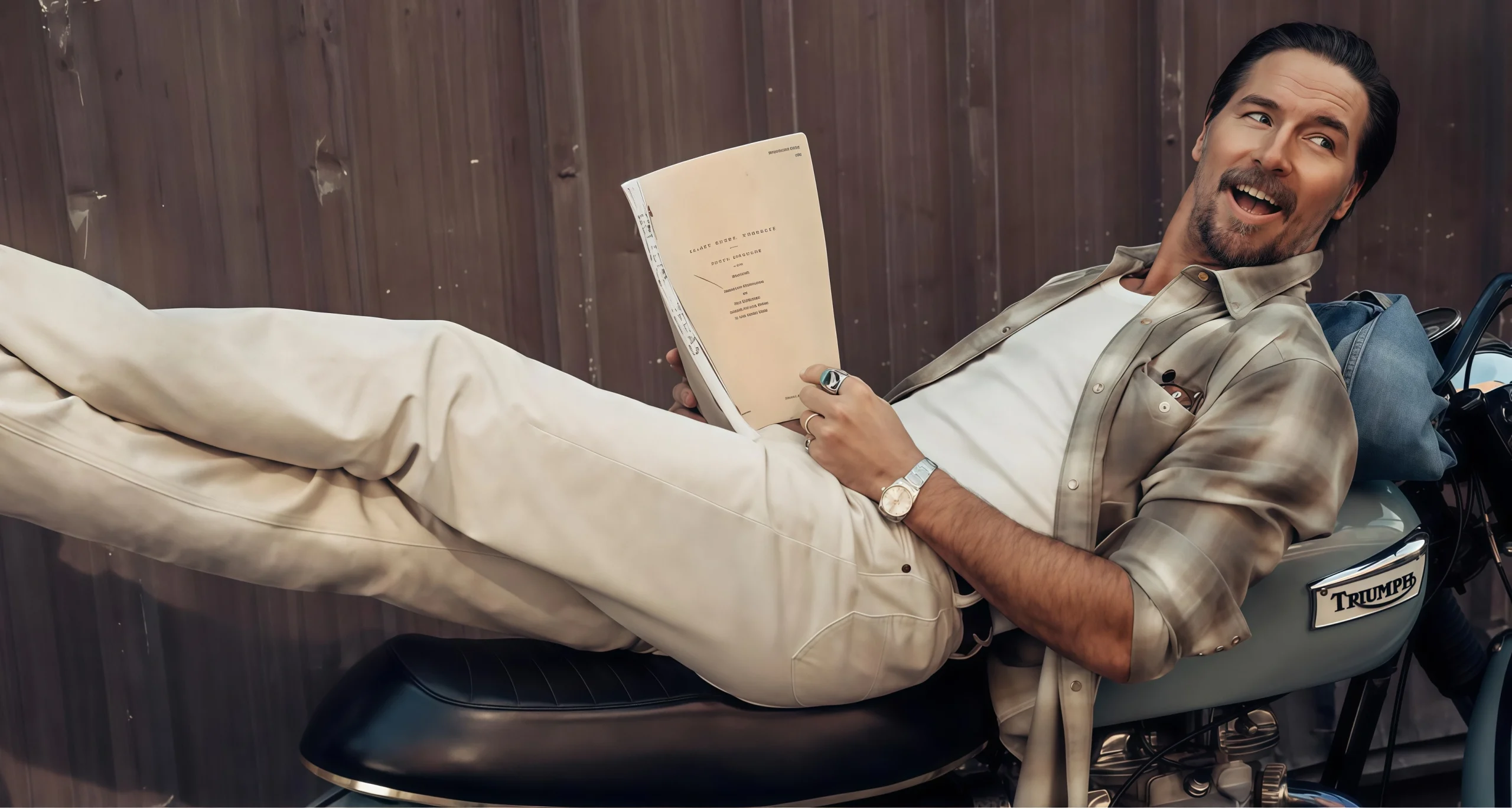
Lee x Buck Mason Westerner Jacket
The return of Lee’s iconic Westerner — rebuilt in Japanese sateen with sharp ’60s lines and a lived-in wash.
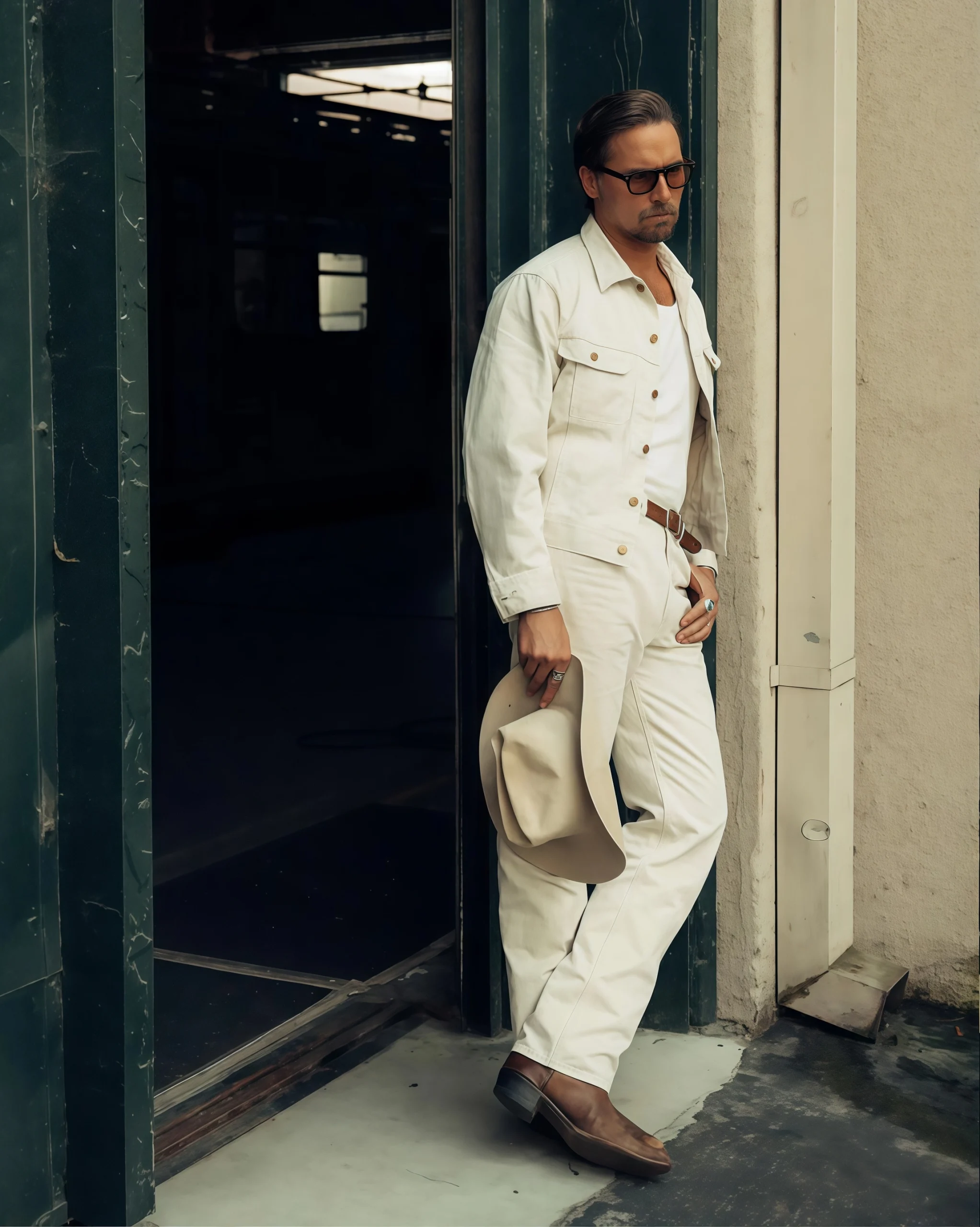
Lee x Buck Mason Westerner Jean
A clean, high-rise cut with western backbone, finished with Lee’s unmistakable midcentury details.
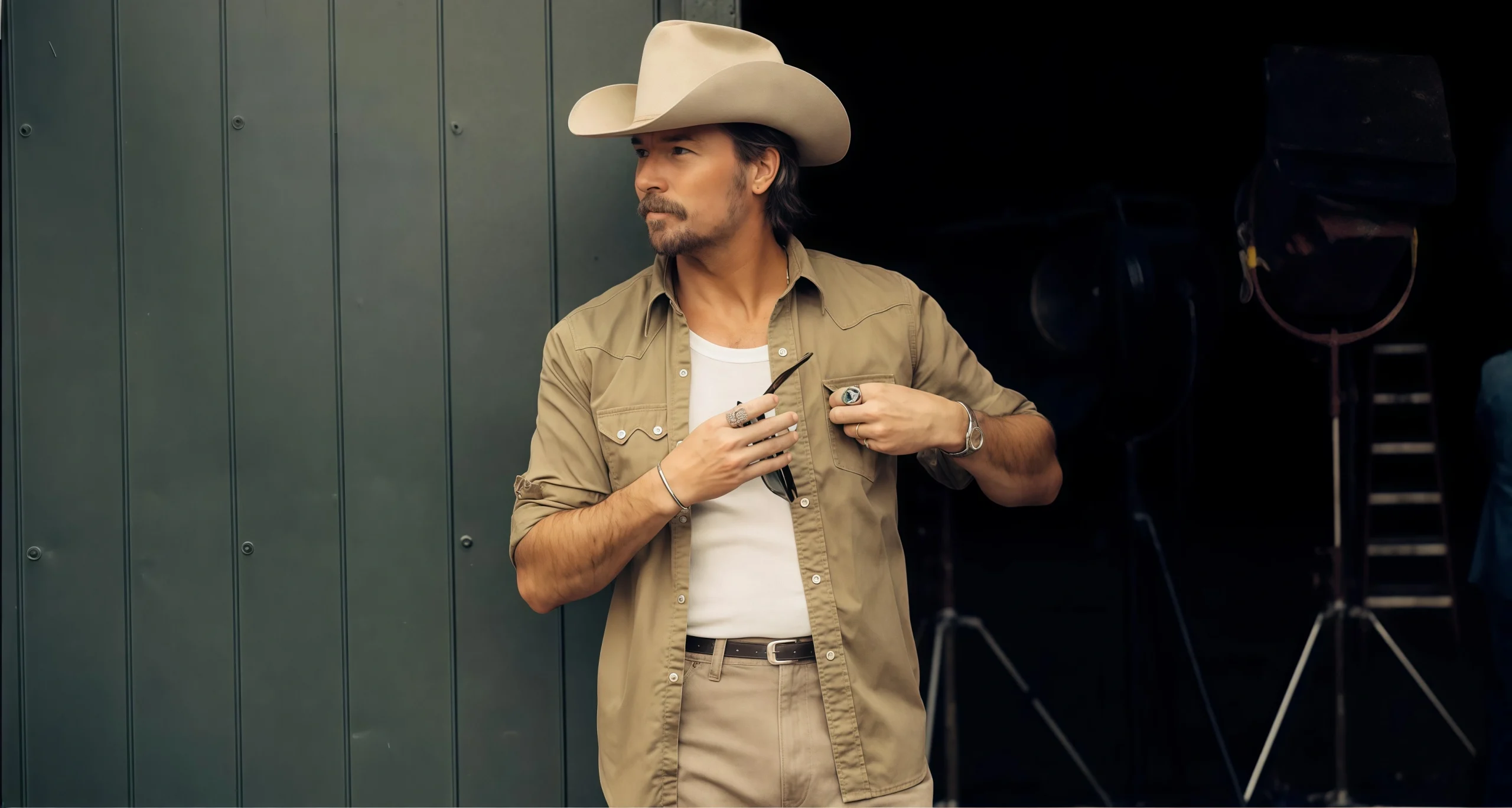
Lee x Buck Mason Westerner Shirt
The classic Lee Westerner shirt, cut with archival sawtooth pockets and a signature sleeve placket.
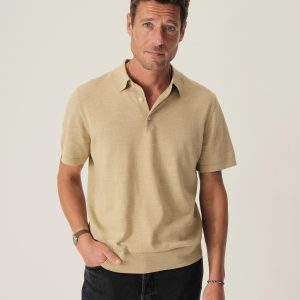
MEN
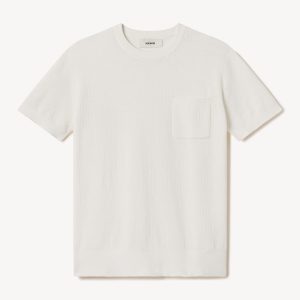
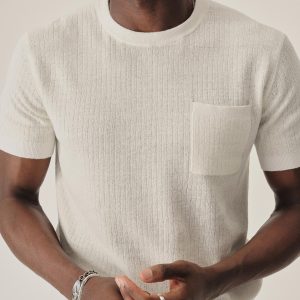
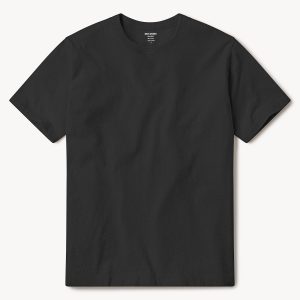
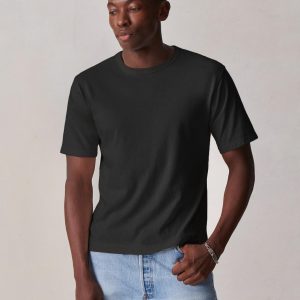
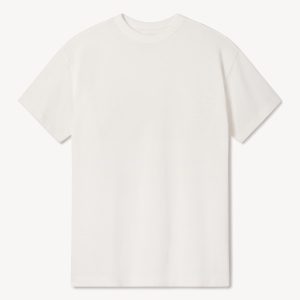
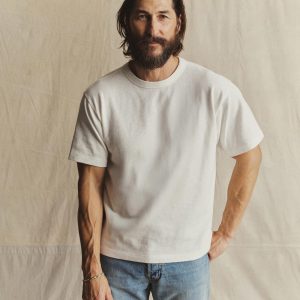
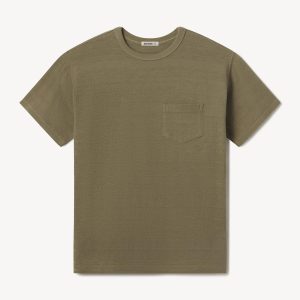
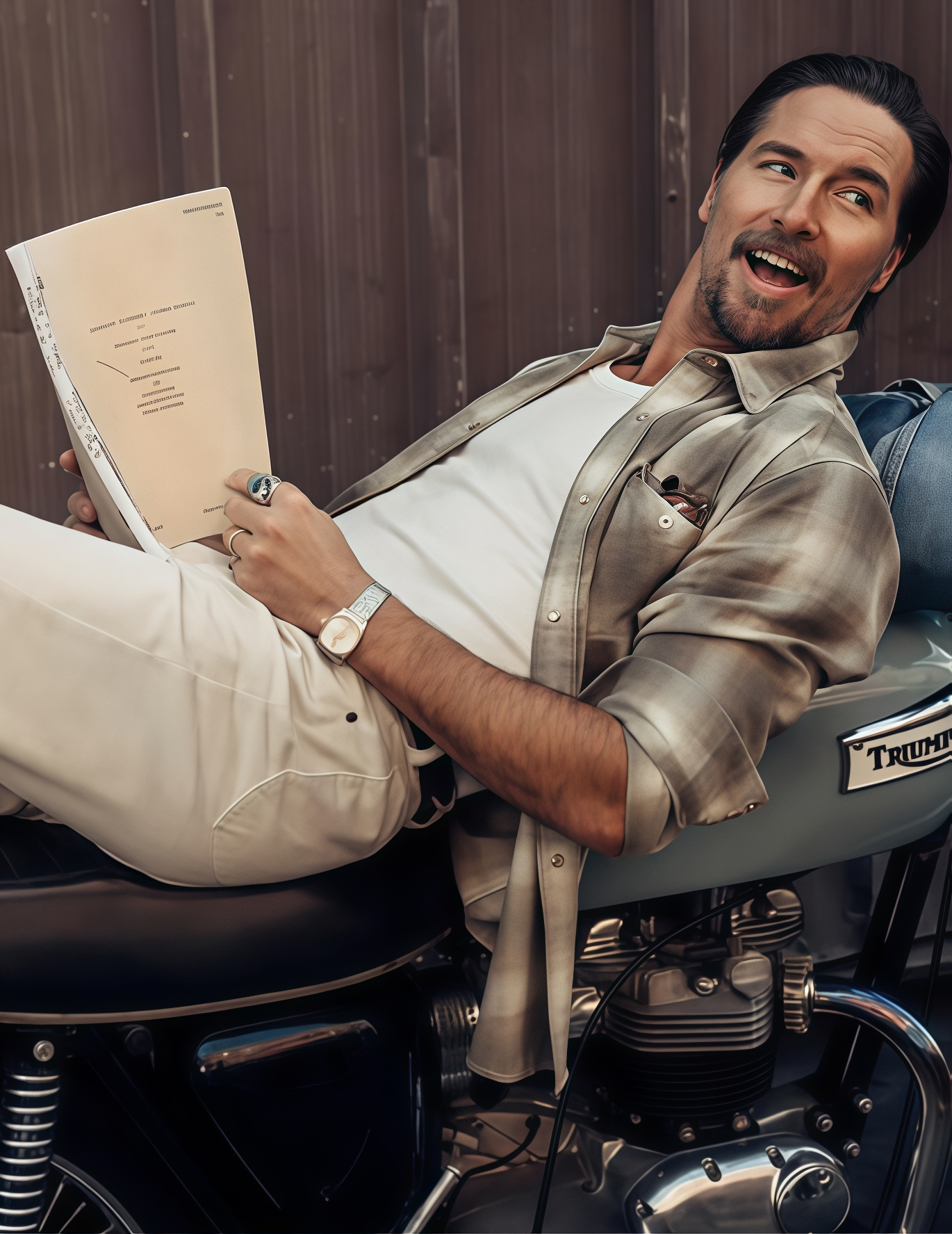
The Enduring Philosophy of Menswear.
The world of masculine attire is a fascinating realm, often characterized by subtle shifts rather than dramatic upheavals. It is a world built upon foundational principles—a philosophy of dress that prioritizes structure, longevity, and a quiet confidence. Unlike some other areas of fashion, where novelty reigns supreme, menswear draws its power from tradition and refinement.
To truly appreciate this domain, one must look beyond the mere garments and consider the historical context that forged its standards. The modern suit, for instance, is not simply a piece of clothing; it is the culmination of centuries of tailoring evolution, from the military uniforms of previous eras to the sporting and leisure wear of the affluent classes. This lineage imbues the attire with a sense of purpose and formality, even in its most casual interpretations.
The bedrock of any sophisticated wardrobe lies in its fabrication. The choice of materials dictates not only the garment’s appearance but also its feel, drape, and durability. Consider the difference between a meticulously woven wool, offering both warmth and a crisp silhouette, and a lighter-weight textile chosen for ease and breathability. These selections are not arbitrary; they are deliberate decisions made with climate, occasion, and expected lifespan in mind. A high-quality material is an investment in both personal presentation and environmental responsibility, allowing a piece to withstand the rigors of time and trend cycles.
Furthermore, fit and silhouette are paramount. A well-constructed garment is engineered to enhance the wearer’s form, emphasizing the shoulders and creating a clean line down the body. This involves complex processes of cutting and stitching—techniques that transform two-dimensional cloth into a three-dimensional form. A properly tailored item feels personal, almost like a second skin, reflecting an attention to detail that signifies respect for both the craft and the occasion. The slight roll of a lapel, the precise break of a trouser, the height of a collar—these are the minute details that distinguish the truly excellent from the merely adequate.
The evolution of masculine style can also be seen as a reflection of changing social dynamics. As societies have become less rigidly structured, the dress code has softened. Formal morning dress gave way to the lounge suit, which in turn has been challenged by smart casual and the rise of separates. Yet, the core principles remain. Even in the most relaxed ensembles, a focus on proportion, texture coordination, and quality material persists. The concept of an “uniform” endures, but it is now a highly personalized uniform—a curated collection of versatile pieces that can be mixed and matched to suit various environments.
This movement towards versatility has given rise to the appreciation of modular dressing. A collection of thoughtfully chosen foundational items—a classic blazer, well-fitting trousers, high-quality knitwear—allows the wearer to navigate different settings with ease and authenticity. This is not about accumulating a vast quantity of items, but about acquiring pieces that are both individually strong and collectively harmonious. The goal is to build a cohesive visual narrative that speaks to the wearer’s personality without relying on overt adornment.
Finally, the modern discourse around attire is increasingly focused on ethical consumption and sustainability. There is a growing understanding that true quality must extend beyond the appearance of the finished piece to the entire production chain. Consumers are seeking garments made with respect for both the skilled artisans and the resources required in their creation. This shift aligns perfectly with the foundational ethos of classic masculine style: buy less, buy better, and treat what you own with care. The commitment to durability and timeless design is, in itself, a powerful form of sustainability, moving away from ephemeral trends toward enduring value. This philosophy ensures that the world of masculine attire will continue to evolve, yet always remain grounded in its rich and purposeful heritage. The pursuit of sartorial excellence, therefore, is an ongoing journey of refinement and conscious choice.